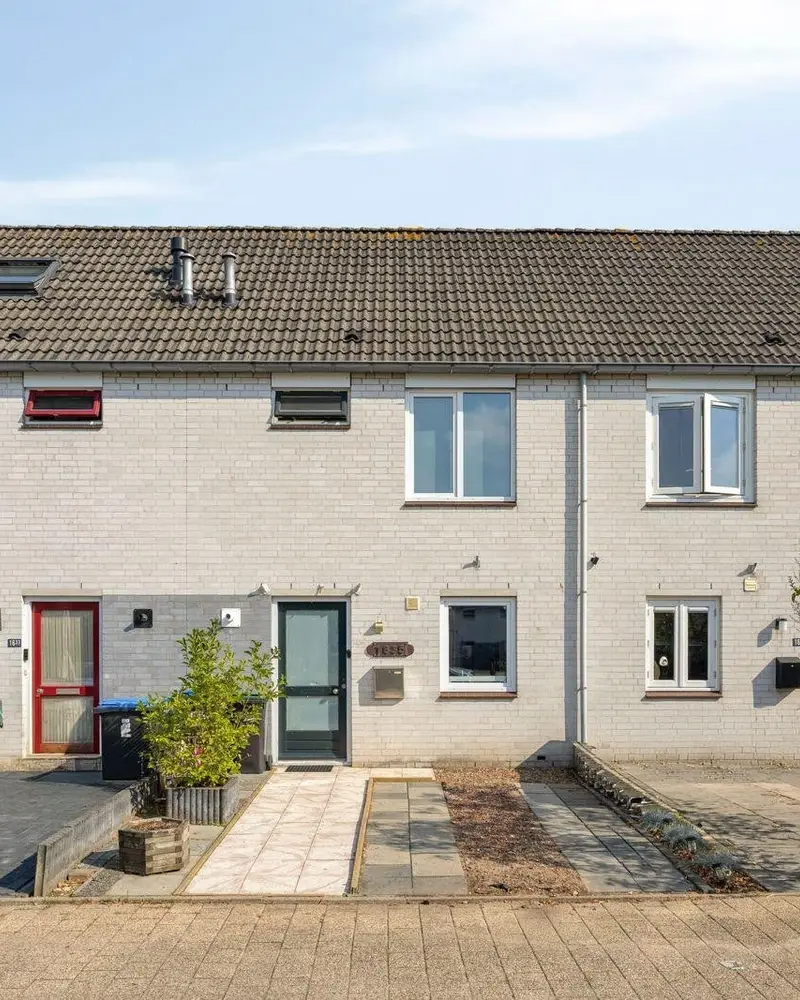
 Nijmegen
€399,000 k.k.
Leuvensbroek 1635, Nijmegen
3 bedrooms95 m²Energy label B
365 Makelaars is an estate agent with its office in Wijchen, right next to Nijmegen. We sell homes in all Nijmegen neighbourhoods and we can act as your buying agent when you want to buy in the city. A first home valuation is free. We help you in English and you message your agent directly.
An honest indication of what your home is worth. No obligations.
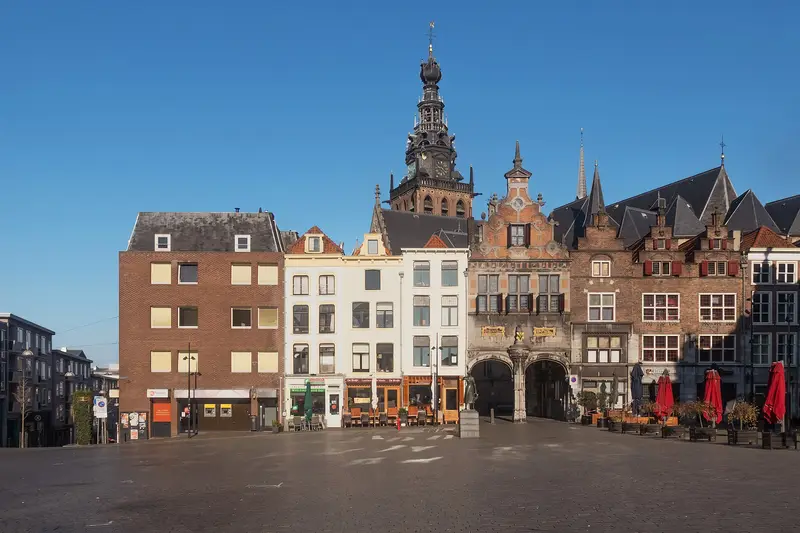
Nijmegen grew up on the south bank of the Waal and is one of the oldest cities in the country, with Roman roots and city rights from 1230. The centre has two levels. The Benedenstad runs down to the Waalkade and was largely rebuilt in the 1970s, after which it became a protected cityscape in 1975. The Bovenstad sits higher, around the Stevenskerk, which was restored after the war. Homes here are often upstairs flats or narrow town houses above or between shops.
Once the city walls came down after the fortification law of 1874, Nijmegen spread out. Parks such as the Kronenburgerpark and the Hunnerpark were laid out on the old ramparts, and new streets appeared to the east and south. Nijmegen-Oost, with its Indische Buurt from the 1920s, and Bottendaal near the central station are typical examples. For you as a buyer this means character, high ceilings and a short walk to the station, but also older foundations, single glazing in places and an energy label that tells you how much insulation work is still ahead.
Municipality of Nijmegen. Our office is at Bijsterhuizen in Wijchen.
South of the centre lie Brakkenstein and Heijendaal, two former estates that became neighbourhoods. Radboud University and Radboud University Medical Center are here, with Heyendaal station on the campus edge. Many international researchers, doctors and PhD students look in this part of the city first, so homes close to the campus draw buyers who work there. Hatert, Hees and Neerbosch were separate villages until after the Second World War and now mix older village streets with post-war housing.
Further west you find Dukenburg, built from 1966, and Lindenholt, built from 1977. These districts were planned as a whole, with many family houses and their own station at Dukenburg. They border Wijchen, where our office is. Prices and buyer profiles here are different from the centre, which is why we never value a house in Lindenholt against sales in Oost.
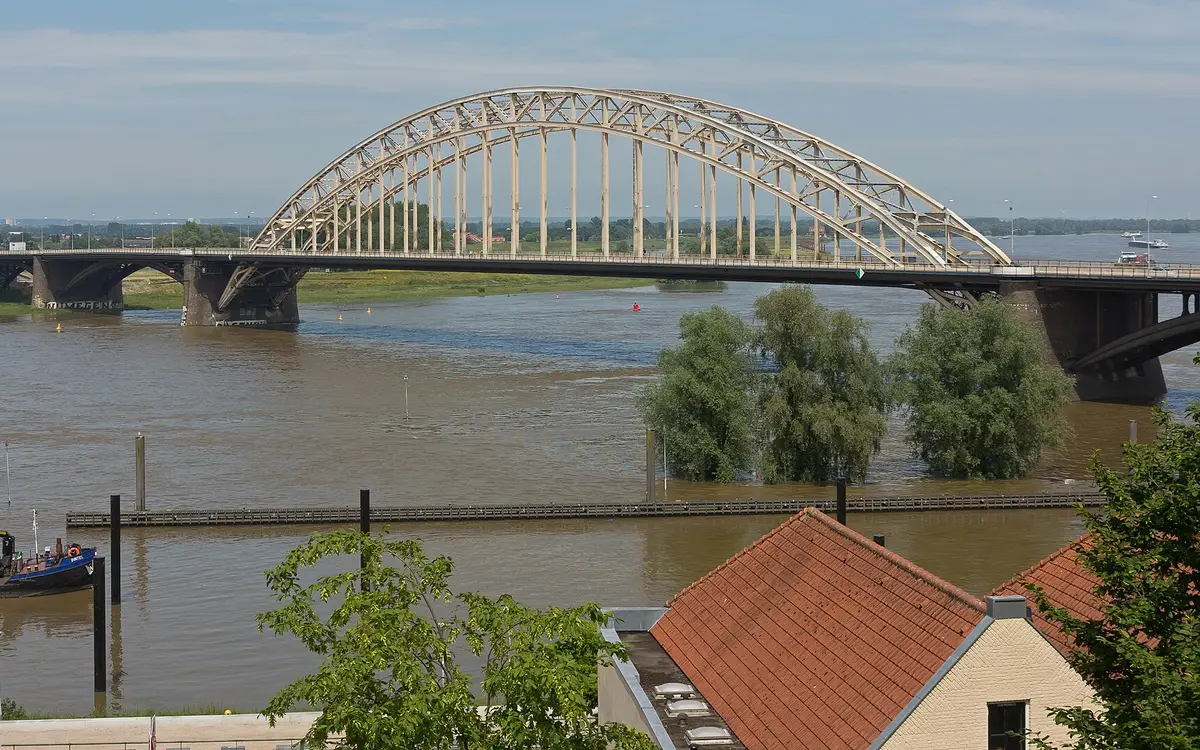
The Waal is a busy freight route and shapes the whole city. The railway bridge dates from 1878, the Waalbrug road bridge from 1936, and De Oversteek, a second road bridge downstream, opened in November 2013. The Snelbinder cycle bridge hangs alongside the railway bridge. North of the river is Nijmegen-Noord with Lent, where most of the new-build homes of recent decades stand. The central station is on the national Intercity network, and the German border is close by, which matters to people who work on both sides of it.
You find a home on Funda and ask the seller's agent for a viewing. That agent works for the seller, so if you want someone on your side you hire a buying agent ("aankoopmakelaar"). Your offer goes to the seller's agent. The seller can accept it, turn it down or come back with a counter offer. Agreeing on a price by phone is not binding yet: for a home, the deal only counts once it is in writing.
After you receive the signed purchase agreement you have a cooling-off period ("bedenktijd") of at least three days. Weeks later the home is transferred at a civil-law notary ("notaris"), who registers the deed with the Land Registry (Kadaster).
When you sell, we start with a free valuation at your kitchen table. We compare your home with recent sales in the same part of the city, so a flat in the Benedenstad is not measured against a family house in Dukenburg. Then we take photos, draw a floor plan and put the listing on Funda. Viewings can be planned in the evening and at weekends, which helps buyers who work at the university or the hospital. Our selling fee is 1.5% of the sale price.
When you buy, we view the house with you, check the listing details and negotiate for you. You hear our fee for this before we start. All conversations can be in English, and you can reach us every day of the year by phone or WhatsApp.
Our main site is in Dutch: visit 365 Makelaars, estate agent for Nijmegen and Wijchen for current listings and contact details.
This is what we have for sale in Nijmegen and nearby right now.
Nijmegen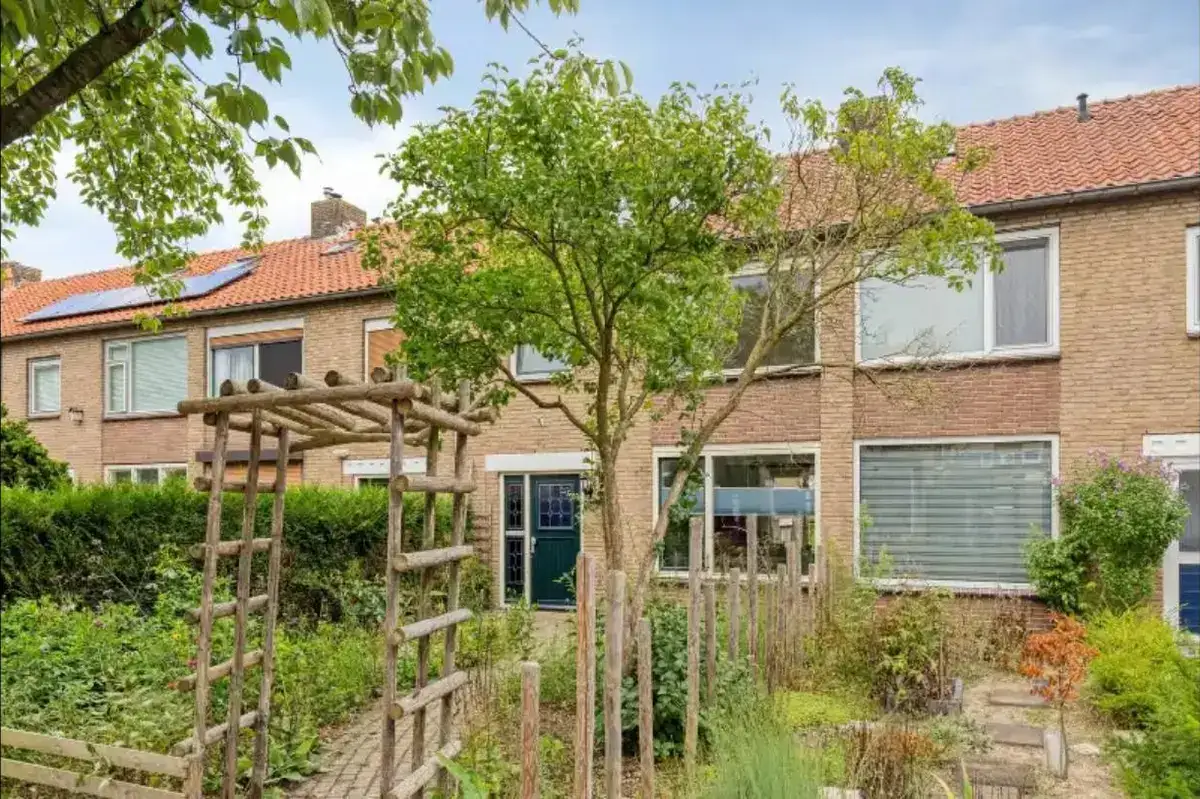 Sold subject to conditions
Leave your search profile (form in Dutch). When something suitable comes in, you are the first we call.
Leave a search profileYes. We sell and buy homes in the centre, in Oost and Zuid, in Dukenburg and Lindenholt and north of the Waal in Lent and the rest of Nijmegen-Noord. Our office on the Bijsterhuizen in Wijchen is on the edge of the city.
Yes. There is no nationality requirement for buying a home in the Netherlands. Whether you can get a mortgage, and on which conditions, is a question for a mortgage adviser. KFD Woonadvies works from our building and we can introduce you.
No, the purchase agreement and the notarial deed are in Dutch. We explain them to you in English. Ask the notary in advance how they handle a buyer who does not read Dutch, because notaries can work with an interpreter or give an English explanation.
Nothing. The home valuation is free and without obligation. It is not a formal valuation ("taxatie"). If your bank needs a validated valuation report, we refer you to a valuer from our network in the region.
Photos on this page: The Waalbrug over the river Waal, seen from the Valkhof, with the rooftops of the Benedenstad in the foreground (Michielverbeek, CC BY-SA 4.0, via Wikimedia Commons); The Grote Markt with historic facades, the Waag and the tower of the Stevenskerk (Michielverbeek, CC BY-SA 4.0, via Wikimedia Commons).